





A 20-year study conducted by the University of California, Berkeley in the Sierra Nevada has provided new evidence supporting prescribed burns as an effective way to manage forests and reduce wildfire risk.
The study, released in November, suggests that CAL FIRE’s ongoing use of prescribed burns has been beneficial, not only in lessening the risk of wildfire but also in helping forests recover and grow stronger over time.
Driving the news: The findings are giving fire officials additional motivation to continue the practice, which could also improve insurance costs for homeowners in mountain communities.
- According to the study, repeated use of controlled fire may boost a forest’s productivity by helping trees store more carbon, supporting the state’s goal of achieving net-zero carbon pollution by 2045.
- Researchers at the Blodgett Forest Research Center found that while untouched control areas stored the most carbon initially, regularly burned areas became more productive over time, eventually making up for the carbon released during the burns.
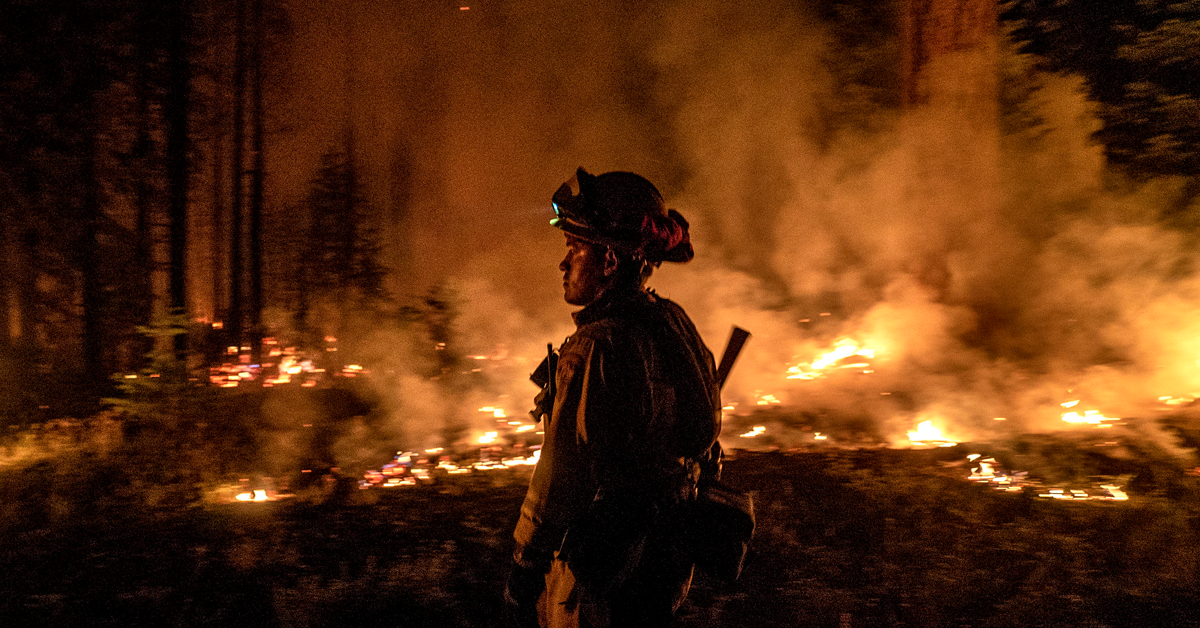
- CAL FIRE has practiced prescribed burning for about 25 years. One recent burn occurred in Yokuts Valley in Fresno County. Jeremy Lloyd, relief and fuel battalion chief for CAL FIRE’s Fresno/Kings unit, explained that the controlled burns aim to limit combustible material beneath the trees without damaging the trees themselves.
What they’re saying: “Trees are the lungs of California’s mountain communities,” said Nick Kent, a forester for CAL FIRE. “If there is a lightning strike or another type of fire, prescribed burns make it much easier to slow down and stop fires before they reach communities.”
- “The key is just keeping your flame length low, burning at the right time, burning slowly, and having all your contingencies in place so that you don’t get an escape,” Kent said.