


California has been declared drought-free for the first time in a quarter-century.
However, Central Valley water experts warn that the state needs to take immediate action to boost water supplies in preparation for future dry conditions.
The big picture: The U.S. Drought Monitor declared that California does not have any drought conditions last week.
- That is the first time that California has not experienced drought conditions since December 2000.
Driving the news: California’s long-awaited return to normal conditions was fueled by a wet 2025 water year and a plethora of storms to close out 2025.
- The state’s last major drought lasted from February 2020 to October 2023, with the previous severe drought running from 2012 through 2016. Despite not being in severe drought over all of the last 25 years, the state has not been completely free of dry conditions until now.
State of play: While California has been declared drought-free, the state’s snowpack is lagging behind normal levels, sitting at 78% of normal.
- California’s reservoirs are all at or above their historical water levels, as of Tuesday.
What they’re saying: Westlands Water District welcomed the news that California has been declared drought-free, but noted in a statement that the development is a reminder of how volatile and unpredictable the weather is.
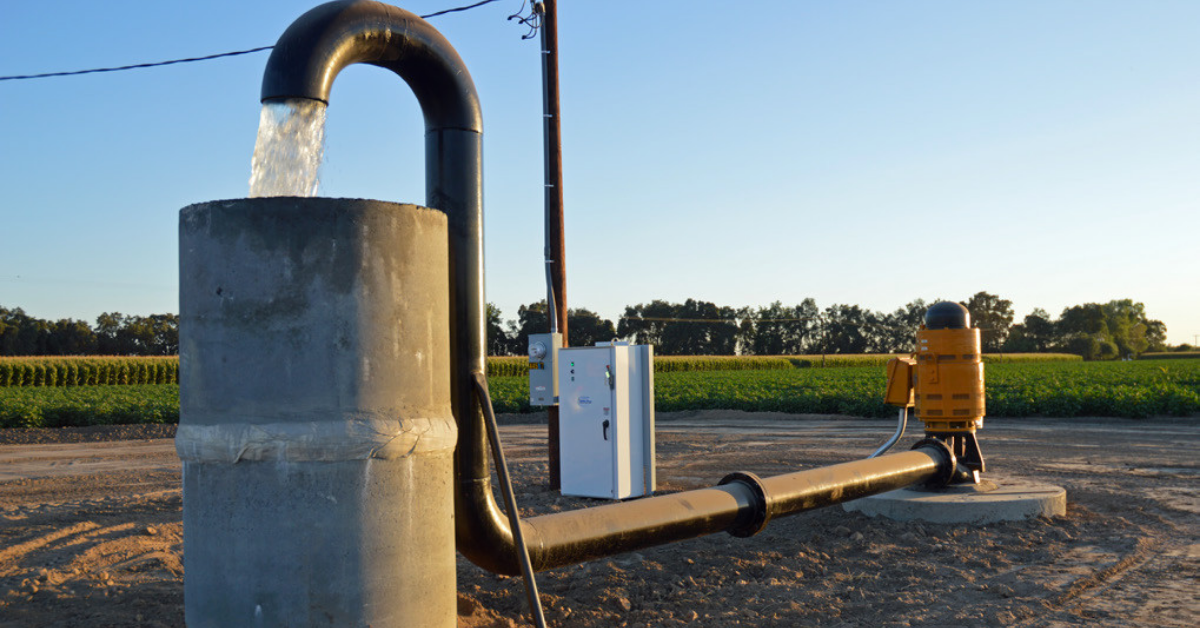
- “What is mission critical is creating a reliable water supply by managing, capturing, and storing water, regardless of whether the year is wet or dry,” Westlands said. “The way we manage our water is vital, whether during wet or dry periods. Even in wet years, California’s family farmers have received low initial water allocations, leading to increased groundwater pumping while significant volumes of water flow out to the ocean.”
- Westlands said that if drought resilience is truly the goal, farmers need early, strong and reliable water allocations.
- “To build real drought resilience, California must act with urgency in wet years, not just react in dry ones,” Westlands said. “That means continued investment in infrastructure, storage, and operational flexibility so we can capture water when nature provides it, and ensure it is available when the next dry period inevitably arrives.”