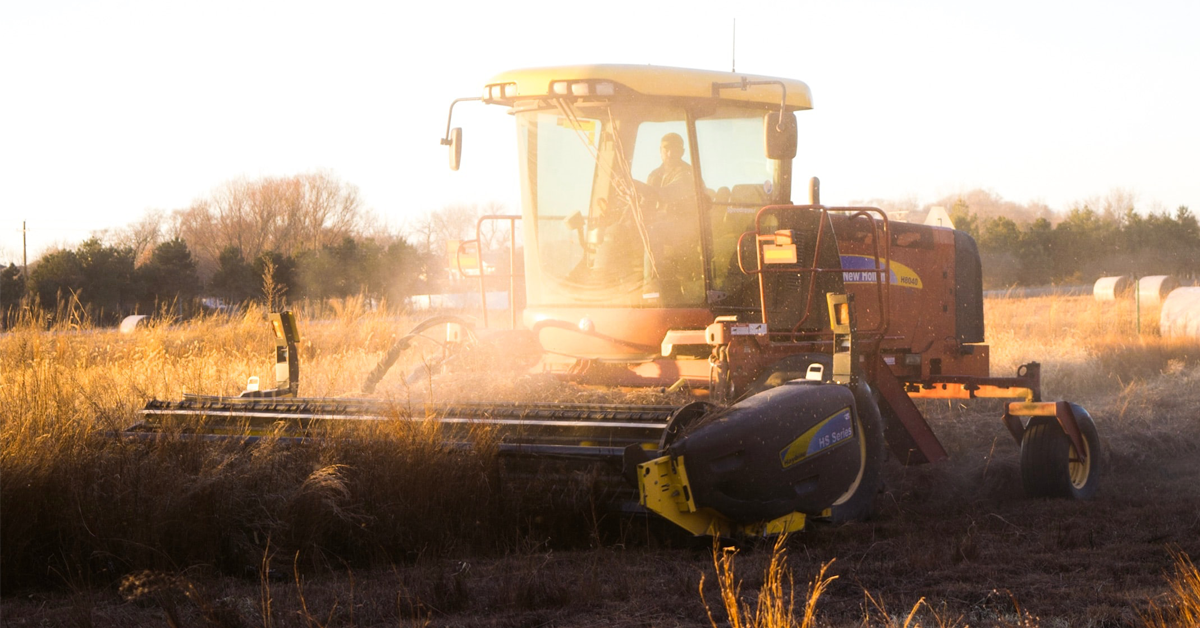



Fallowed agricultural land along the west side of the Central Valley will now have the opportunity to be repurposed for clean energy development.
The move was approved by the Westlands Water District Board of Directors on Tuesday, which adopted the Valley Clean Infrastructure Plan.
The big picture: The Valley Clean Infrastructure Plan repurposes up to 136,000 acres of land for solar generation, energy storage and transmission infrastructure.
- It uses previously cultivated land to support clean energy development while alleviating the pressure to build in undisturbed lands.
- Westlands said the plan supports the implementation of the Sustainable Groundwater Management Act (SGMA) and helps protect critical infrastructure from subsidence.
Zoom in: Under the plan, landowners will have new revenue streams through long-term leases, allowing growers to concentrate their limited water supplies on their most productive and resilient land.
- The plan could generate up to 21 gigawatts of renewable energy, create thousands of construction and long-term jobs and help California meet its renewable energy goals.
- Westlands is able to move forward with the plan because of Assembly Bill 2661, authored by Asm. Esmeralda Soria (D–Fresno) in 2024, which specifically allows Westlands to construct and own solar generation, battery storage and transmission facilities.
Why it matters: Farmers within Westlands need to repurpose much of their land.
- Westlands reported that chronic water shortages have forced more than 215,000 acres out of production this year. That totals around 38% of the district’s irrigable farmland.
- The district also expects more land to be fallowed as SGMA further constrains groundwater use.
What they’re saying: “Westlands is leading in finding solutions that protect the future of farming in the District and provide landowners with viable alternatives when water simply isn’t available,” said Westlands General Manager Allison Febbo. “VCIP does exactly that. It strengthens the District’s agricultural resilience by giving fallowed acreage a new purpose, generating stable revenue streams for landowners, and helping preserve family farms for the next generation.”